
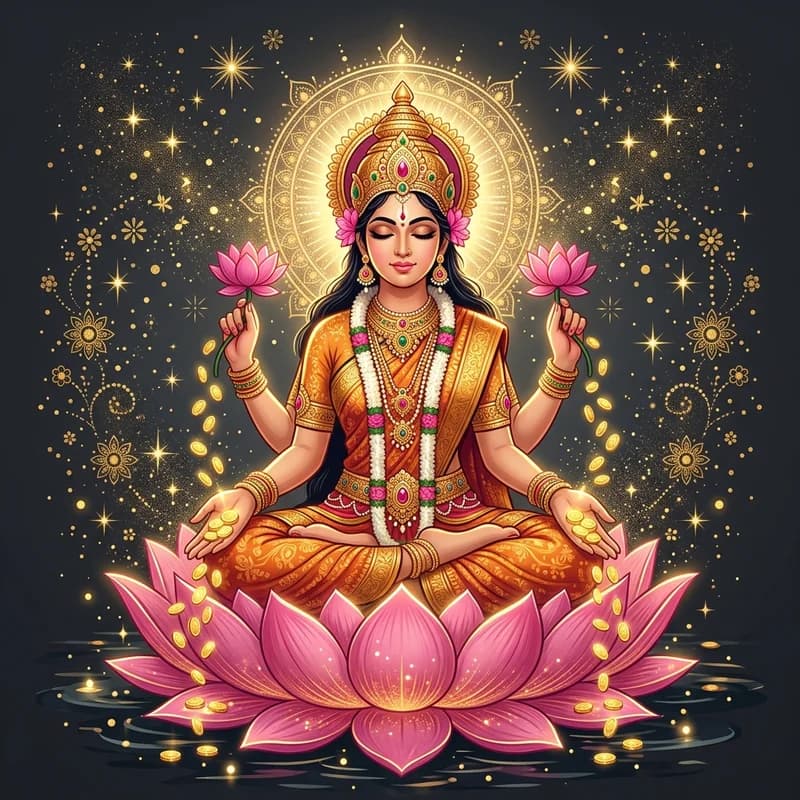
StotramLakshmiShukra
Mahalakshmi Ashtakam (Laxmi Ashtakam) with Meaning
Laxmi Ashtakam (Mahalakshmi Ashtakam) in Sanskrit with Hindi and English meaning, traditional benefits and how to recite it on Fridays and Diwali.
Vedic Library
Vedic prayers, hymns, and chants to align with planetary energies and invoke divine protection.
Laxmi Ashtakam (Mahalakshmi Ashtakam) in Sanskrit with Hindi and English meaning, traditional benefits and how to recite it on Fridays and Diwali.
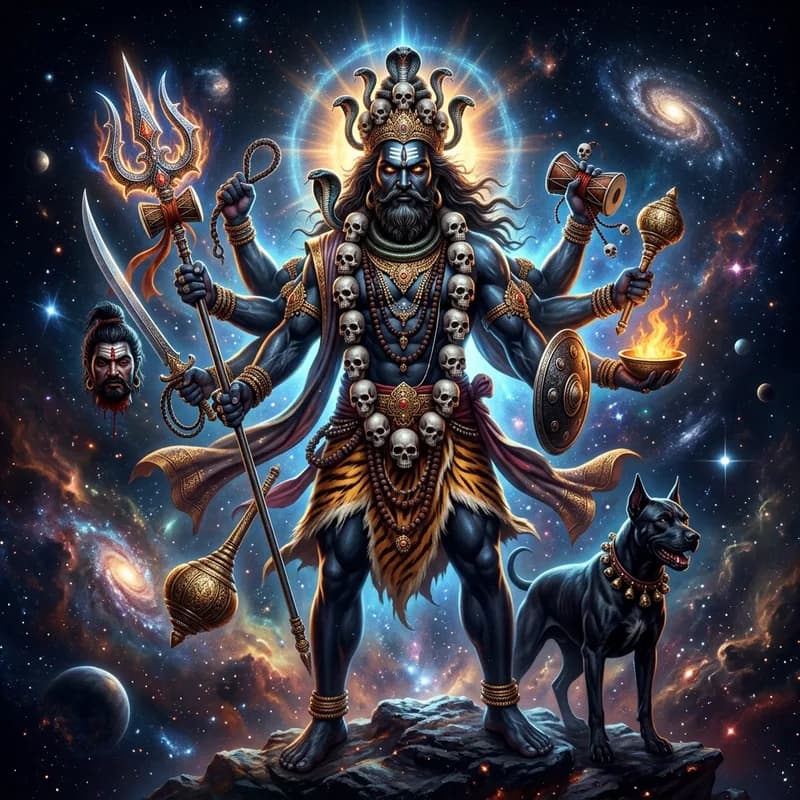
Eight verses composed by Adi Shankaracharya in praise of Lord Kaal Bhairav, the fierce guardian of Kashi. Recited for destroying fear, poverty, greed, and ego, and for attaining spiritual discipline and liberation.
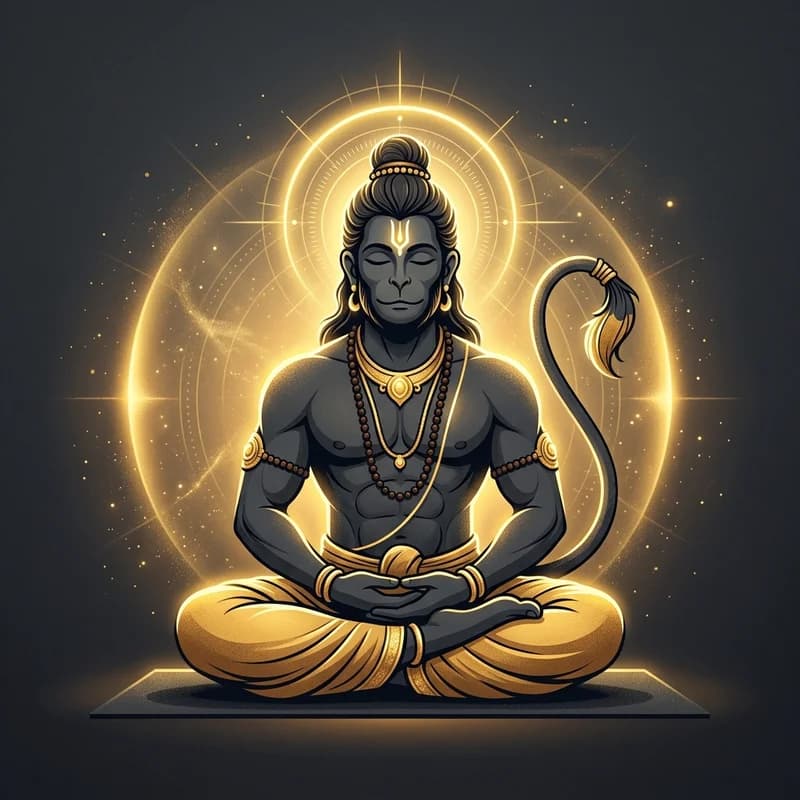
The traditional devotional aarti dedicated to Lord Hanuman, praising his immense strength, devotion to Lord Rama, and his role as the savior of all suffering.
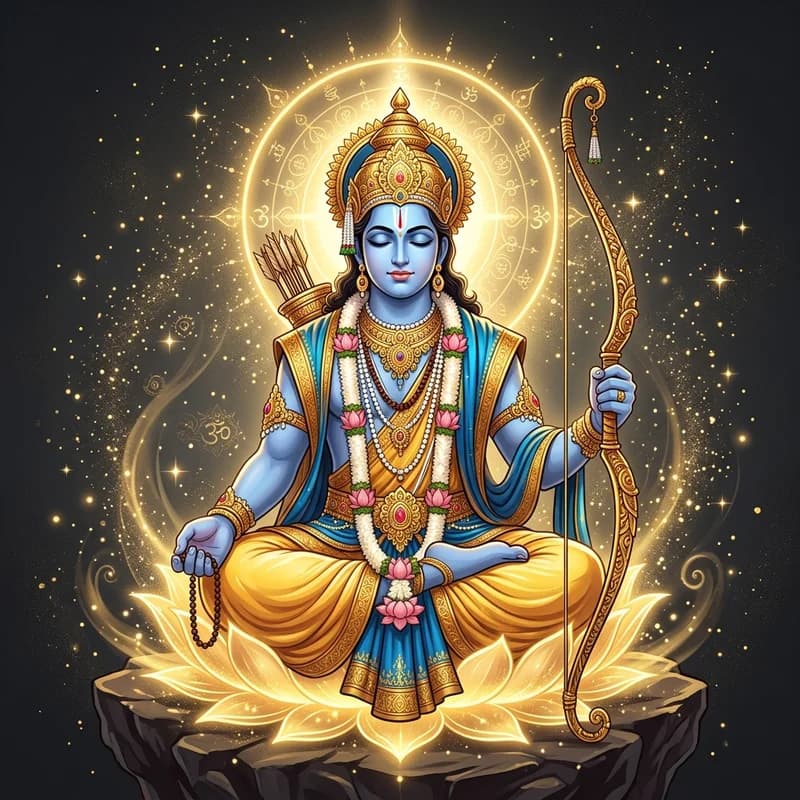
The traditional devotional aarti dedicated to Lord Rama, praising his attributes as the protector of sages, the destroyer of demons, and the merciful redeemer of his devotees.
Goswami Tulsidas's beautiful five-verse Sanskrit hymn from Vinaya Patrika, praising Lord Rama's lotus-like beauty, compassion, and divine form. It dispels the fears of worldly existence.
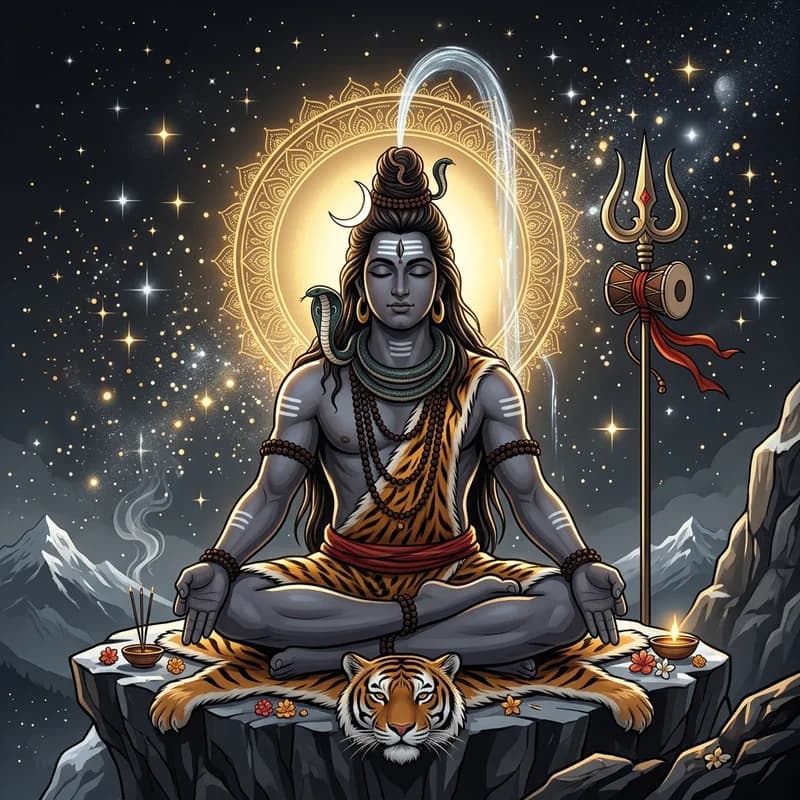
Eight verses by Goswami Tulsidas praising Lord Shiva — from formless Brahman to Neelkanth with Ganga and trident. Recited on Mondays, Shravan, and Maha Shivaratri for peace, grace, and liberation from birth-sorrow.
The thousand sacred names of Lord Vishnu from the Mahabharata — revealed by Bhishma to Yudhishthira. The supreme Jupiter (Guru) remedy, chanted on Thursdays, Ekadashi, and during Vishnu worship for wisdom, protection, and liberation.
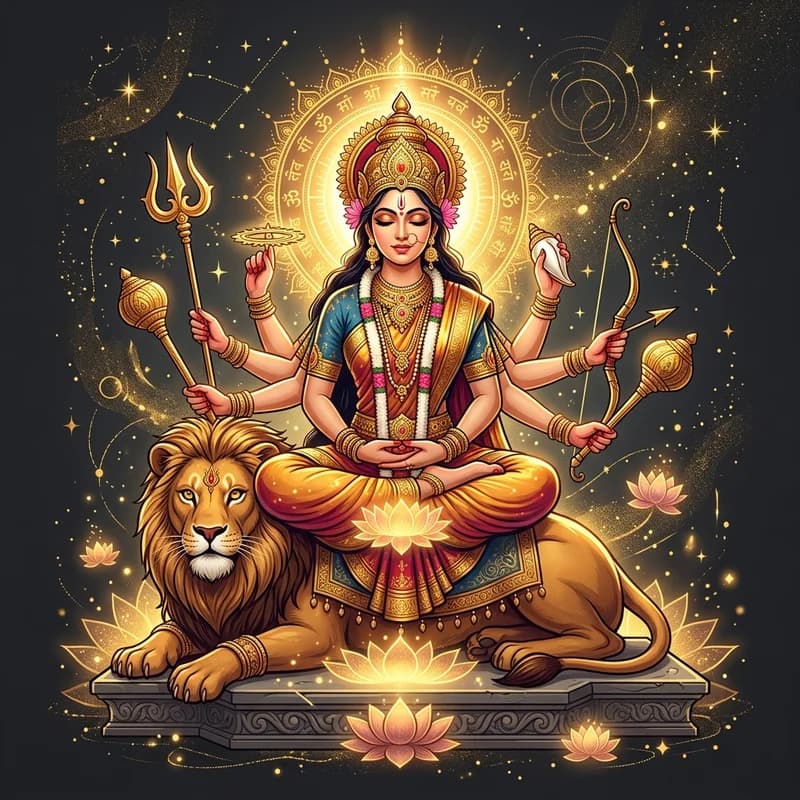
The Argala Stotram from Devi Mahatmyam (Rupam Dehi Jayam Dehi) opens the Durga Saptashati path. Recited after Devi Kavacham during Navratri for protection, victory, and Rahu-related afflictions.
The Devi Kavacham from Devi Mahatmyam is a 28-verse spiritual armour invoking the Goddess in every form of creation. Recited first in the Saptashati path during Navratri for fearlessness and Rahu-related protection.
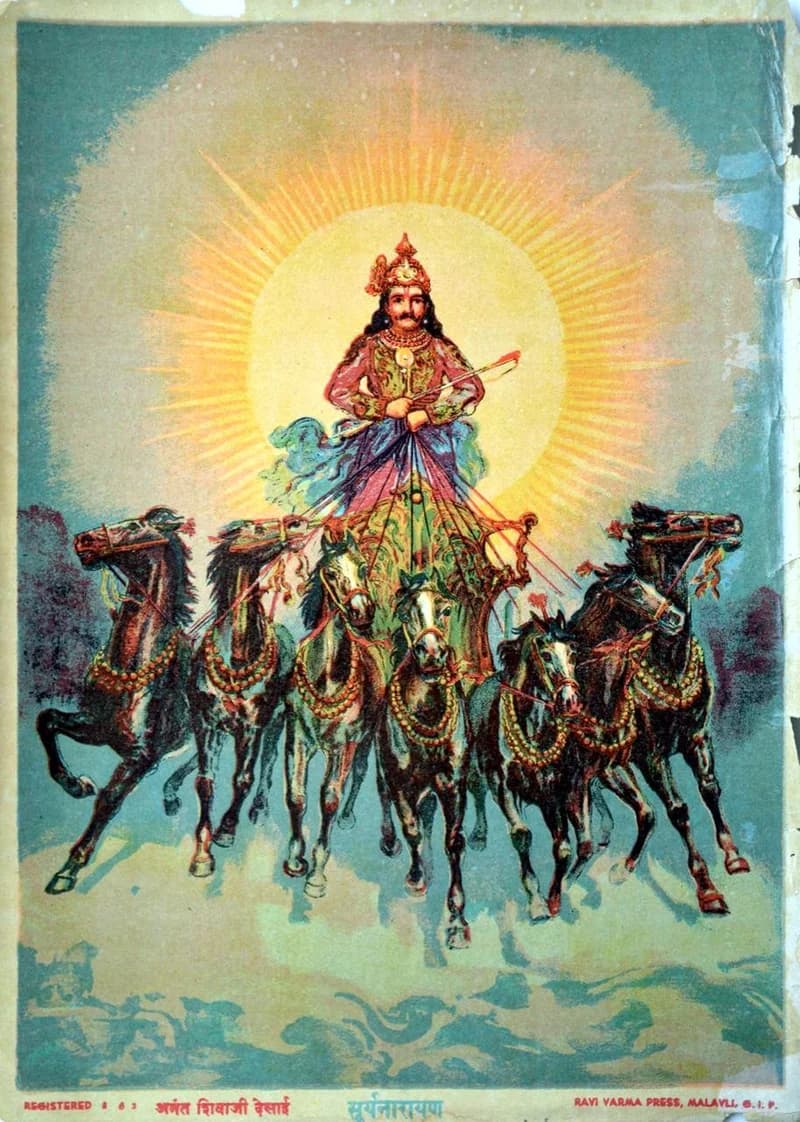
The 31-verse solar hymn from Valmiki Ramayana Yuddha Kanda, taught by Sage Agastya to Lord Rama before the final battle with Ravana. The supreme Sun remedy in Vedic astrology for victory, health, and Surya Mahadasha relief.
The Bajrang Baan is a very powerful devotional hymn directed to Lord Hanuman. Recited to seek urgent protection, ward off negative energies, and overcome deep fears, it invokes Hanuman through a solemn oath in the name of Lord Rama.
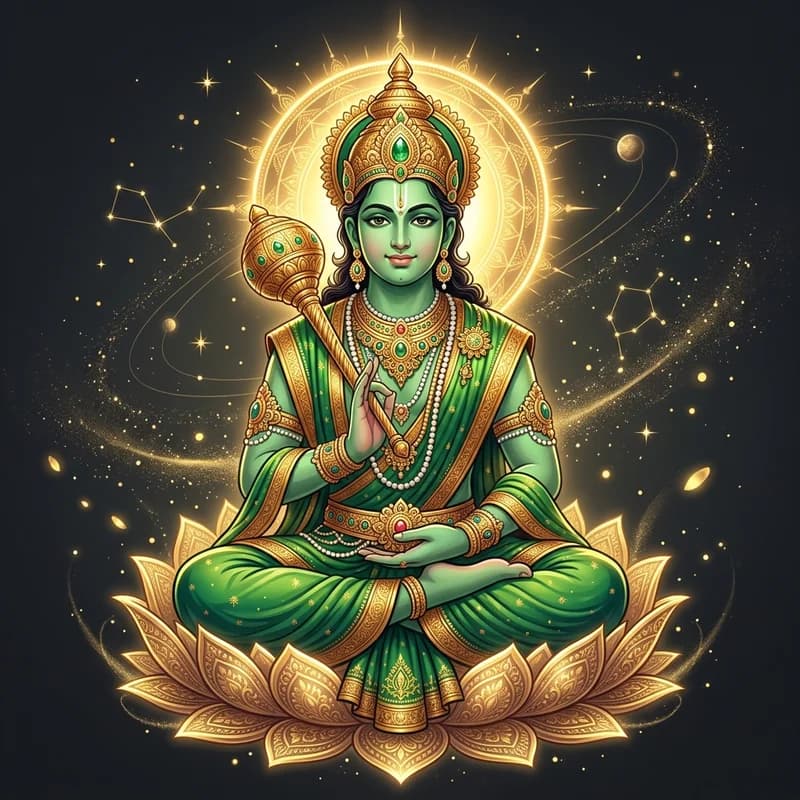
The Budh Chalisa is a devotional hymn to Lord Budh (Mercury), the planet of intellect, speech, and commerce. Recited on Wednesdays during Budh Mahadasha or afflicted Mercury periods, it is a key Vedic astrology remedy for wisdom, communication, and business success.
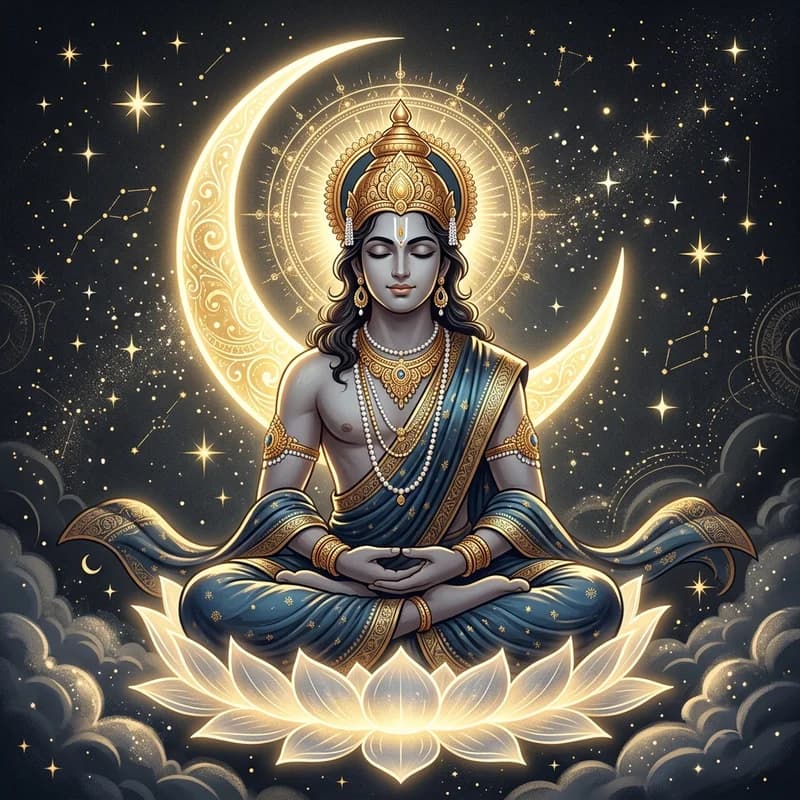
Eight verses from the Skanda Purana praising Lord Chandra (Moon), the mind-karaka in Vedic astrology. Recited on Mondays to calm emotional turbulence, strengthen mental peace, and remedy weak or afflicted Moon placements.
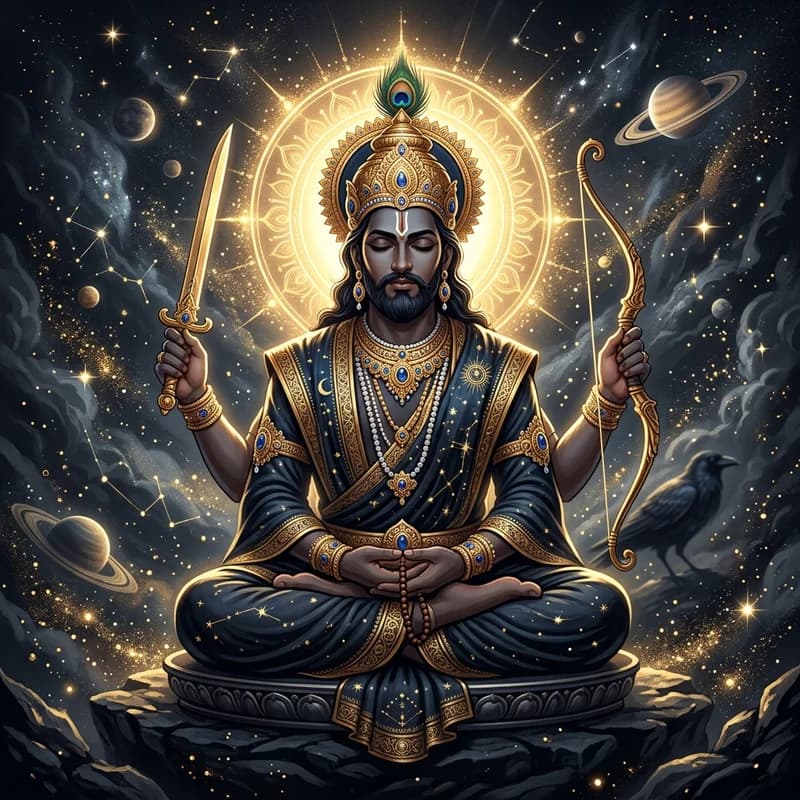
King Dasharatha composed this eleven-verse hymn to appease Lord Shani when Saturn threatened Rohini Nakshatra. Recited on Saturdays during Sade Sati and Shani Mahadasha, it is among the most trusted Saturn remedies in Vedic astrology.
The Durga Chalisa is a 40-verse hymn to Goddess Durga, the divine mother who destroys evil and protects devotees. In Vedic astrology, Durga worship is a powerful remedy during Rahu Mahadasha, Rahu transits, and periods of fear, confusion, or malefic influence.
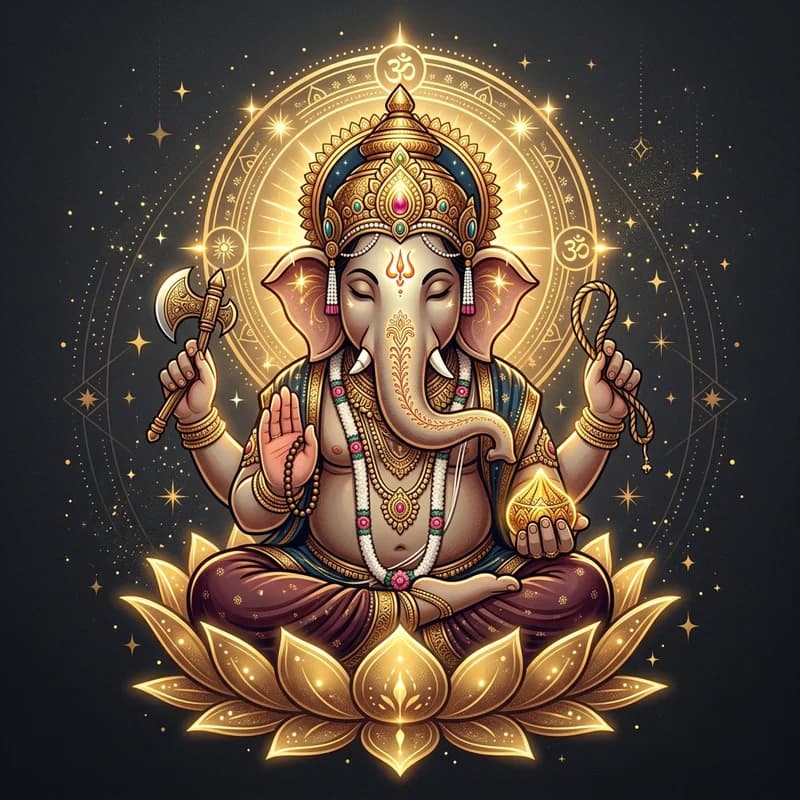
The Ganapati Atharvashirsha Upanishad from the Atharva Veda — a sacred hymn declaring Ganesha as the supreme Brahman. Widely recited to remove obstacles and strengthen Mercury (Budh) in Vedic astrology.
The Ganesha Chalisa is a devotional hymn praising Lord Ganesha, Vighnaharta (remover of obstacles). Recited before new ventures, exams, and auspicious work, it clears obstacles and strengthens intellect — essential before any planetary remedy or puja.
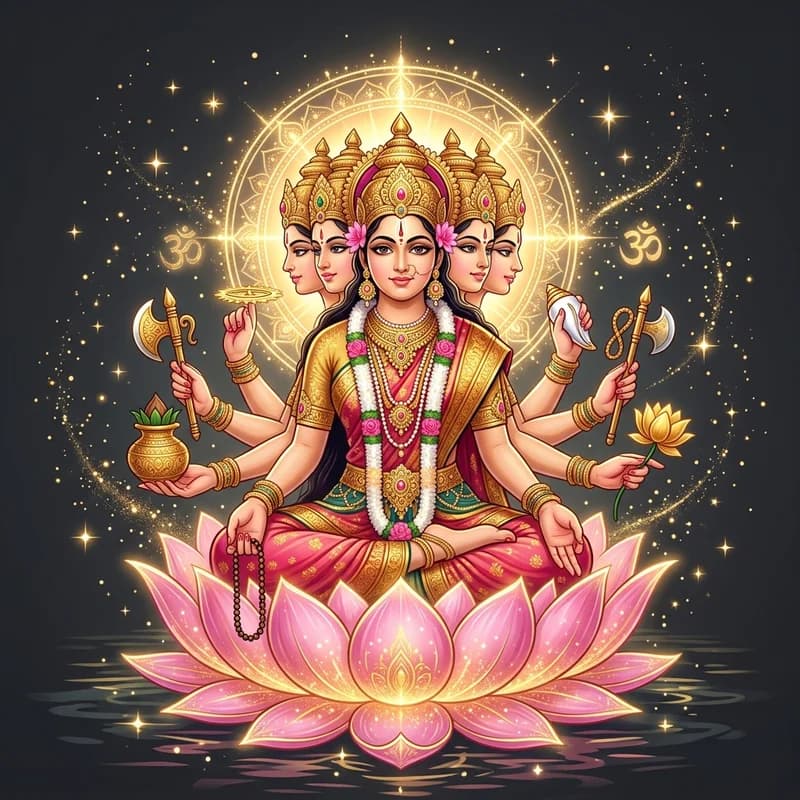
The Gayatri Chalisa is a 40-verse hymn to Goddess Gayatri, mother of the Vedas and embodiment of the sacred Gayatri Mantra. In Vedic astrology, it is the supreme Sun (Surya) remedy for spiritual illumination, weak Sun, and Surya Mahadasha.
The complete Gayatri Mantra with Om and the three Vyahritis (Bhur Bhuvah Svah) from Rigveda 3.62.10 — the supreme 24-syllable Vedic mantra for wisdom, clarity, and spiritual illumination. Ideal for daily Sandhya and [planetary balance through Surya worship](/en/blog/what-is-saturn-in-vedic-astrology).
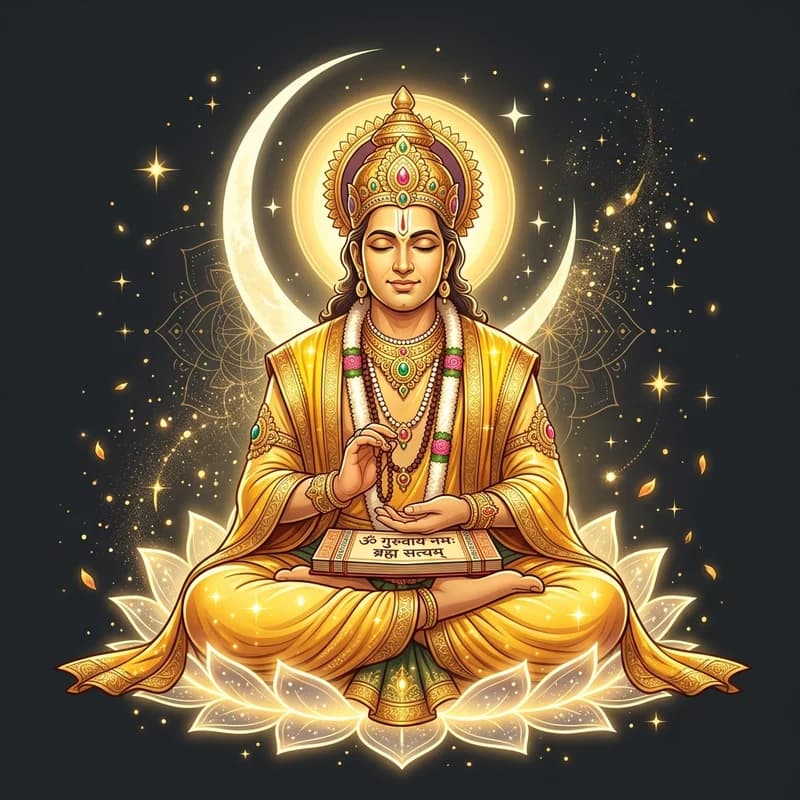
The Guru Chalisa is a 40-verse hymn to Lord Brihaspati (Jupiter), the divine teacher of the gods. Recited on Thursdays during Guru Mahadasha or weak Jupiter periods, it is a cornerstone Vedic astrology remedy for wisdom, prosperity, and spiritual guidance.
The Hanuman Chalisa is a 40-verse devotional hymn composed by the legendary poet Tulsidas in praise of Lord Hanuman. Recited by millions daily, it is believed to remove obstacles, bestow strength, and protect from negative planetary influences.
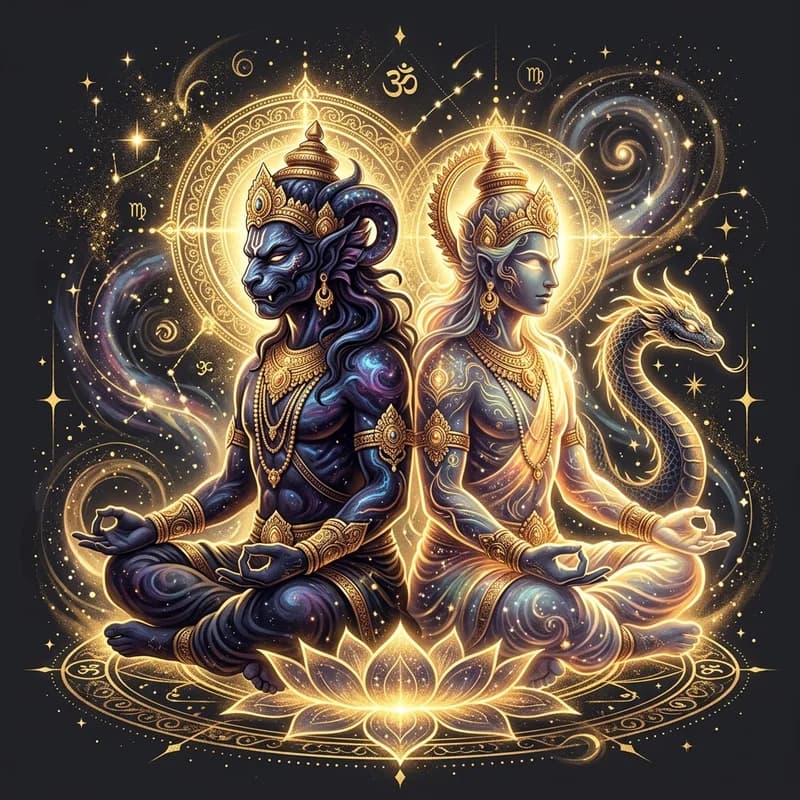
Six-verse protective armour from the Brahmanda Purana tradition, guarding every limb under Ketu's grace. Recited for Ketu Mahadasha relief, spiritual liberation, and protection from hidden enemies and accidents.
Eight verses by Yadupatyacharya invoking Goddess Lakshmi — the Venus-linked deity of wealth and prosperity in Vedic astrology. Recited on Fridays and Diwali for financial stability and divine grace.
The Lakshmi Chalisa is a devotional hymn to Goddess Lakshmi, bestower of wealth and prosperity. In Vedic astrology, Lakshmi worship is the primary Venus (Shukra) remedy for financial stability, luxury, and harmony during Shukra Mahadasha.
Eight verses praising the Shiva Linga — worshipped by Brahma, Vishnu, and all sages. Recited on Mondays and Maha Shivaratri for destruction of birth-sorrow, ego, and accumulated sins.
The Maha Mrityunjaya Mantra (Tryambakam Yajamahe) from Rigveda 7.59.12 — the great death-conquering mantra of Lord Shiva for health, longevity, and protection from untimely death. Chant 108 times on Monday; pair with [Saturn transit guidance](/en/blog/saturn-transit-effects) during difficult periods.
The Markandeya Mahamrityunjaya Stotram — 13-verse hymn beginning Rudram Pashupatim Sthanum, composed by Sage Markandeya who conquered death through Shiva's grace. Recite for health and longevity; pair with the [Maha Mrityunjaya Mantra](/en/stotras/maha-mrityunjaya-mantra) for japa.
Adi Shankaracharya's twenty-one-verse hymn to Goddess Durga as Mahishasura Mardini (Aigiri Nandini). Recited during Navratri for Rahu relief, protection from negative forces, and divine courage.
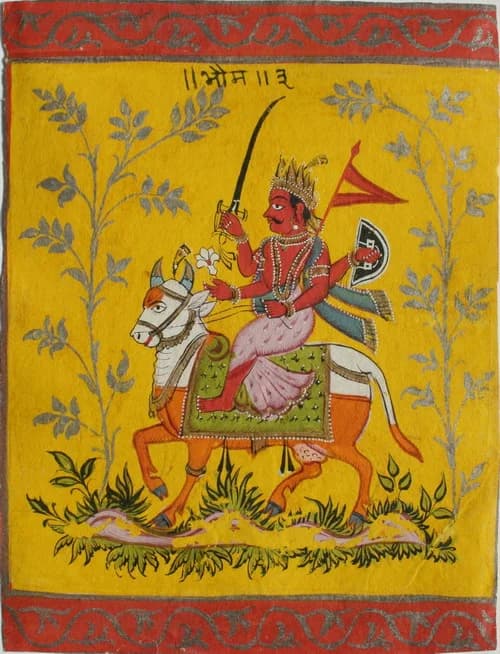
The Mangal Chalisa is a devotional hymn to Lord Mangal (Mars), praising the red planet's power to remove obstacles, cure afflictions, and grant courage. Recited on Tuesdays during Mangal Mahadasha or challenging Mars transits, it is a key Vedic astrology remedy for Mangal dosha and karmic strength.
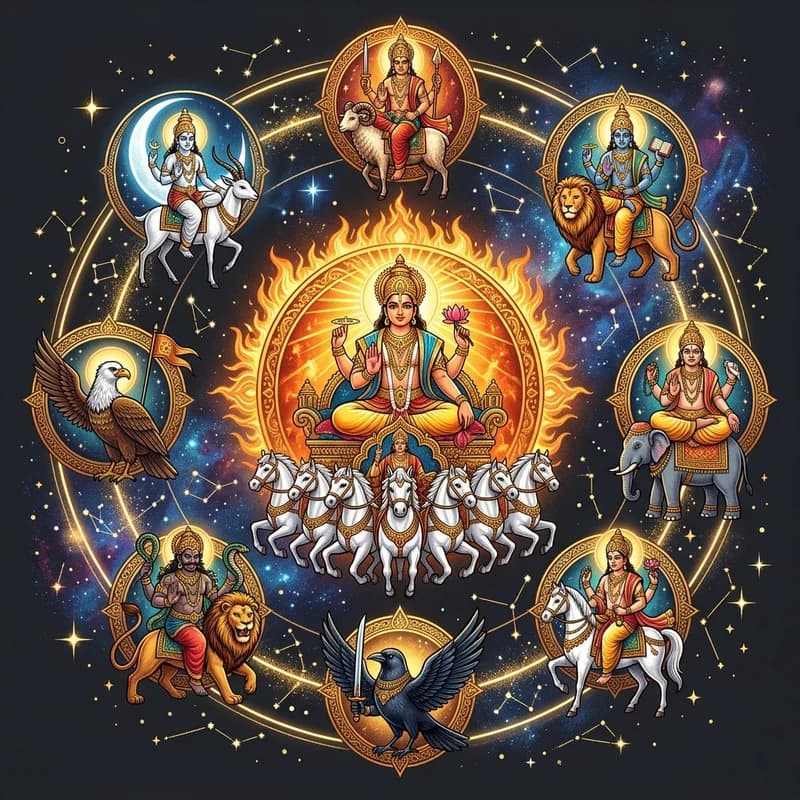
Complete set of nine Navagraha beeja mantras — Surya, Chandra, Mangal, Budh, Guru, Shukra, Shani, Rahu, and Ketu. Chant each graha's mantra 108 times on its weekday for planetary harmony. For Saturn-specific guidance see [Shani remedies](/en/blog/shani-remedies).
Seven-verse protective armour from the Mahabharata's Drona Parva, shielding every body part under Rahu's grace. Essential remedy for Rahu Mahadasha, Kaal Sarp Dosha, and eclipse-related afflictions in Vedic astrology.
Budha Kaushika's thirty-eight-verse protective hymn to Lord Rama, revealed by Shiva in a dream. A powerful kavacha (armour) stotra for divine protection, fearlessness, and spiritual merit.
The Sankat Mochan Hanuman Ashtak is a beautiful eight-verse devotional hymn composed by Goswami Tulsidas. Each verse recounts a major crisis from the Ramayana that was resolved by Lord Hanuman's swift intervention, demonstrating why he is known as the ultimate redeemer of distress.
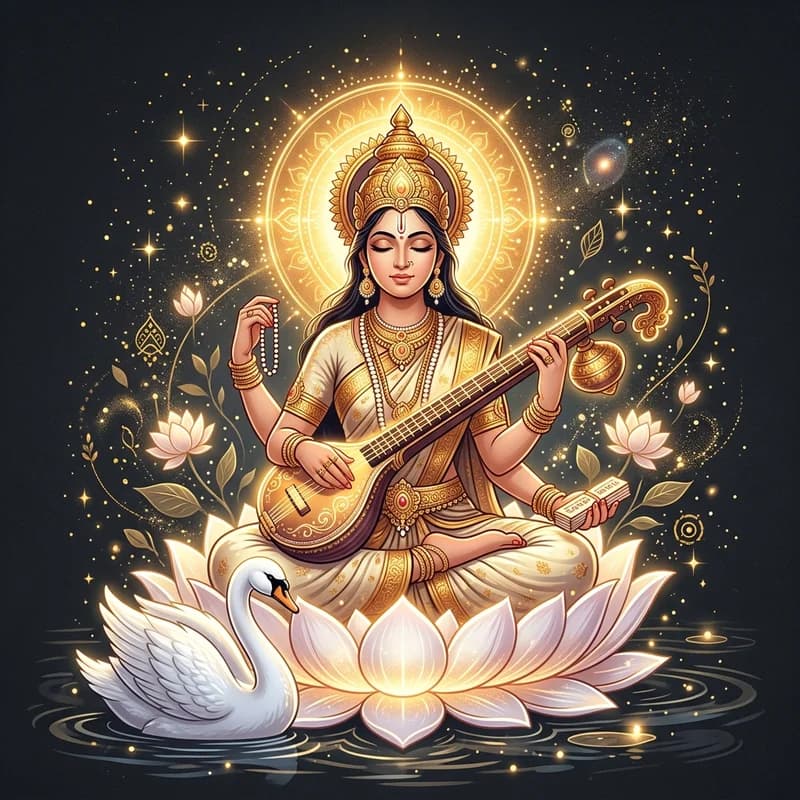
The Saraswati Chalisa by poet Ramsagar is a 40-verse hymn to Goddess Saraswati, deity of knowledge, speech, and arts. In Vedic astrology, Saraswati worship strengthens Mercury (Budh) for education, communication, and intellectual success.
The Shani Chalisa is a 40-verse hymn attributed to King Dasharatha, praising Lord Saturn (Shani Dev). Recited on Saturdays during Sade Sati, Shani Mahadasha, or challenging Saturn transits, it is a cornerstone Vedic astrology remedy for karmic balance and relief from Saturn's afflictions.
The Shani mantra Om Sham Shanicharaya Namah invokes Lord Saturn for discipline, karmic balance, and relief during Sade Sati. Chant 108 times on Saturday with black sesame oil lamp — pair with the full [Shani remedies guide](/en/blog/shani-remedies) for lasting results.
The Shiva Chalisa is a 40-verse hymn praising Lord Shiva, the destroyer of ignorance and source of auspiciousness. Widely recited on Mondays and Maha Shivratri, it brings peace, removes obstacles, and aligns the mind with spiritual discipline.
Ravana's seventeen-verse hymn to Lord Shiva describing the cosmic Tandava dance. Widely recited for strength, devotion, and general planetary harmony in Vedic astrology.
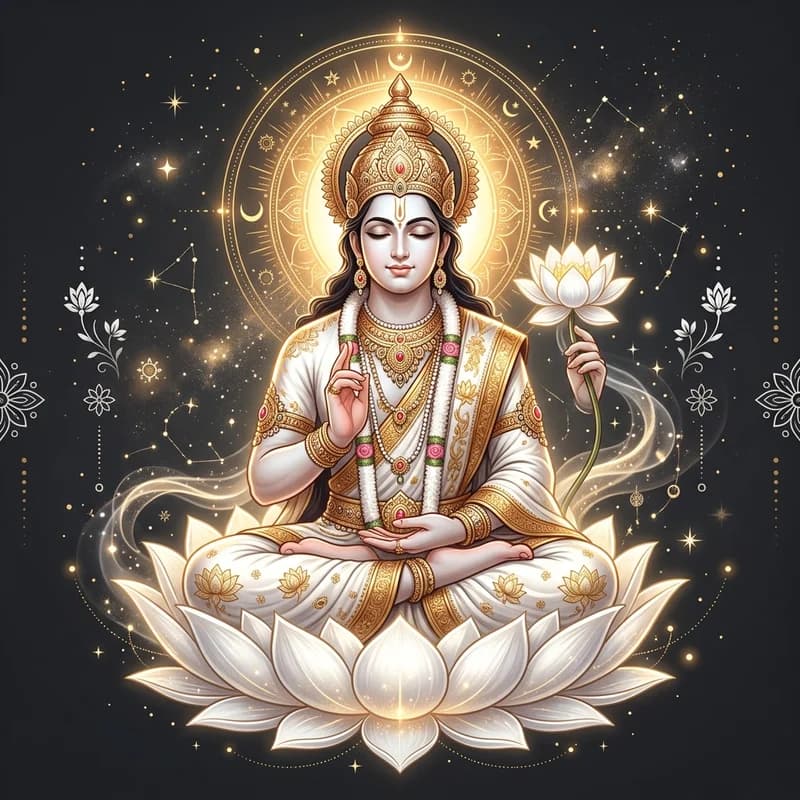
The Shukra Chalisa is a 40-verse hymn to Lord Shukra (Venus), praising the planet of love, beauty, and prosperity. Recited on Fridays during Shukra Mahadasha or afflicted Venus periods, it is a key Vedic astrology remedy for harmony, wealth, and creative grace.
Eight verses praising Lord Surya, the visible deity and soul-karaka in Vedic astrology. Recited at sunrise on Sundays and Makar Sankranti to destroy planetary afflictions, grant health, and invoke solar vitality.
Numerology report
Your best years for money, marriage and career. The exact months to act. Start free in 10 seconds, unlock everything for just ₹299.
See what's inside the report